

29 June 2026
Case Study: Defects Survey – Parapet Coping Failure
Building Consultancy
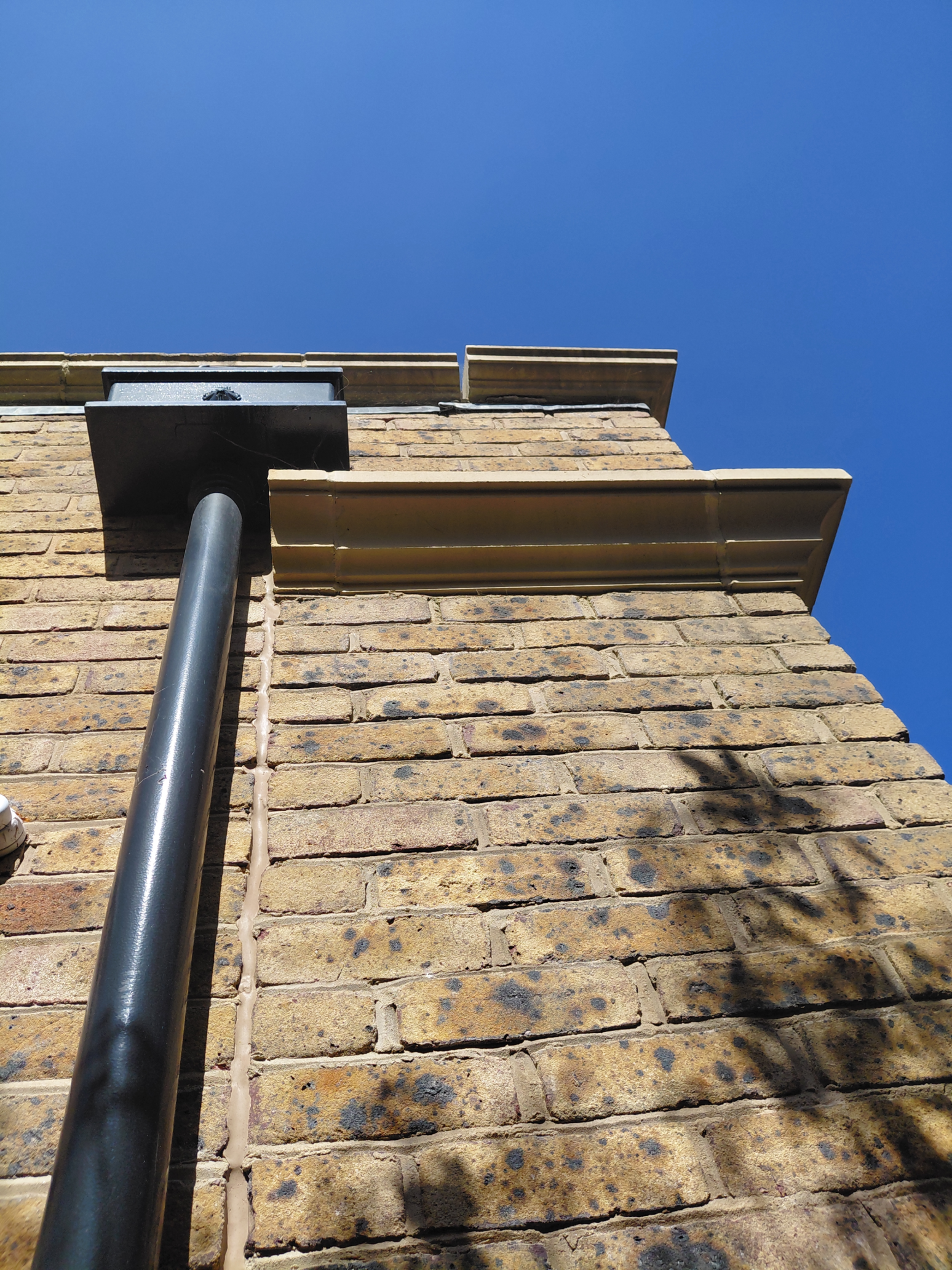
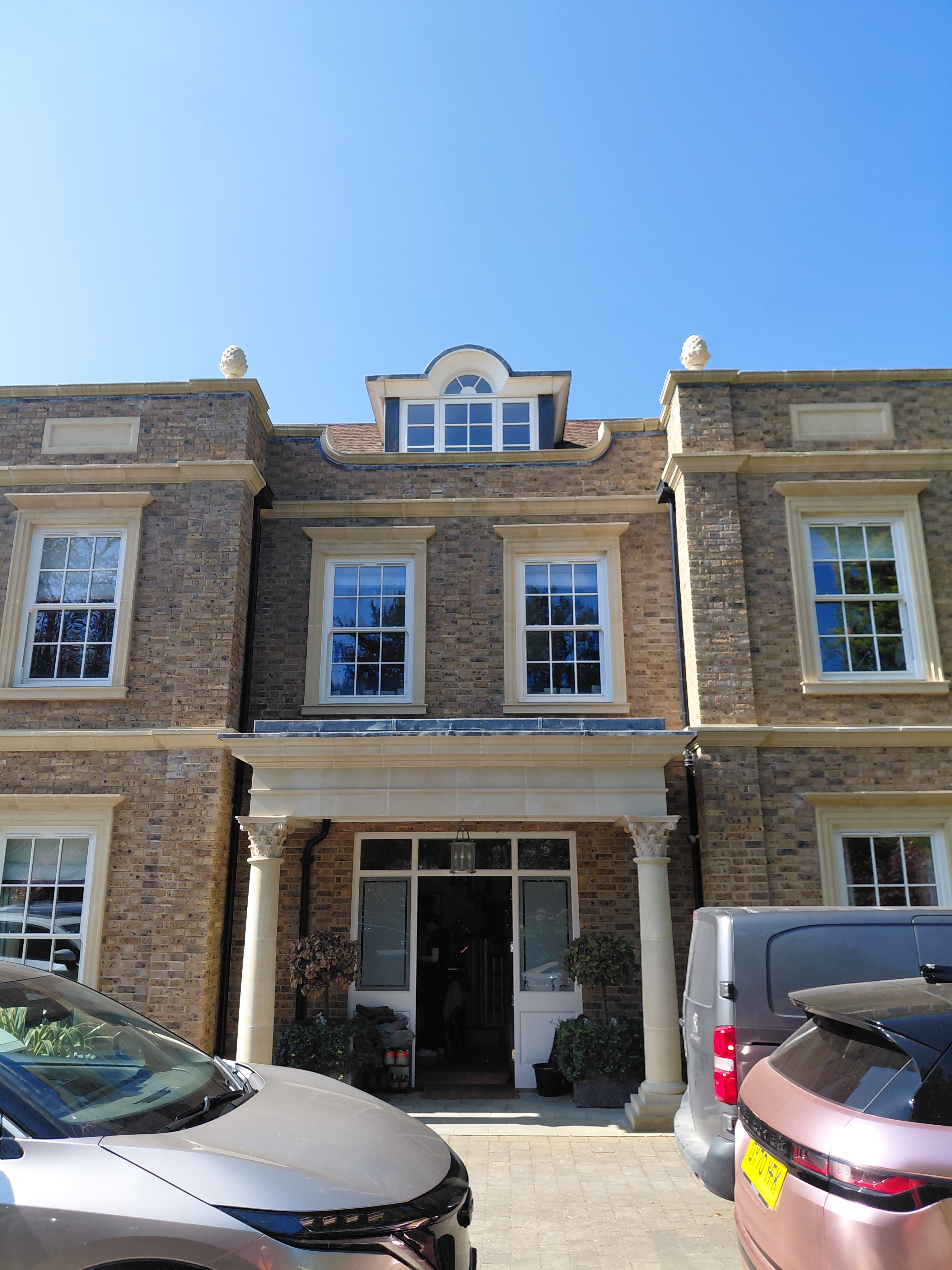
SHW’s Building Consultancy Department were asked to conduct a defects survey at a modern detached residential property in Claygate Surrey, following reports of loose and unstable stone coping units at parapet wall level. The condition raised concerns regarding safety and potential material failure.
Problem Identification
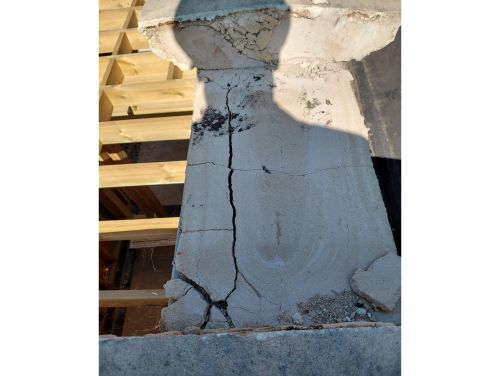
Inspection revealed that several coping stones had become displaced, with:
· Cracking and deterioration of bedding mortar
· Noticeable movement under light pressure
· Risk of falling masonry, posing a health and safety hazard
Causes of Defect
The primary cause was identified as failure of the original bedding mortar, which had deteriorated and become sandy and friable, resulting in a loss of adhesion.
Additional contributing factors included:
· Horizontal cracking in brickwork beneath the copings at cavity tray level, indicating differential movement
· Absence of movement joints, preventing the structure from accommodating thermal and moisture-related expansion
· Water ingress through defective mortar joints, allowing moisture penetration and accelerating deterioration through freeze–thaw cycles
Structural Assessment
No evidence of significant structural movement was found within the main building. The defects were assessed as localised to the parapet construction and detailing, rather than indicating wider structural failure.
Recommendations
Recommended remedial works included:
· Careful removal and resetting of coping stones
· Inspection and repair of underlying brickwork
· Reinstatement using appropriate, durable bedding mortar
· Installation of movement joints to accommodate expansion
· Improved detailing and damp-proofing measures to prevent water ingress
Conclusion
This case highlights the importance of proper detailing, material selection, and workmanship in parapet construction. Inadequate allowance for movement and exposure to environmental conditions can result in premature failure of coping stones, emphasising the need for robust design and maintenance practices.