

29 October 2026
SHW - Technical Roof Investigation Informs Long-Term Asset Strategy
Building Consultancy, Valuation
SHW was instructed to undertake a roof condition survey and prepare a technical report for a church within the Buckinghamshire area. Concerns had been raised regarding the condition of the roof and uncertainty around the most appropriate repair strategy moving forward.
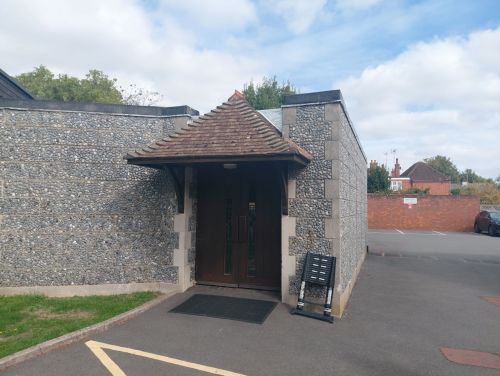
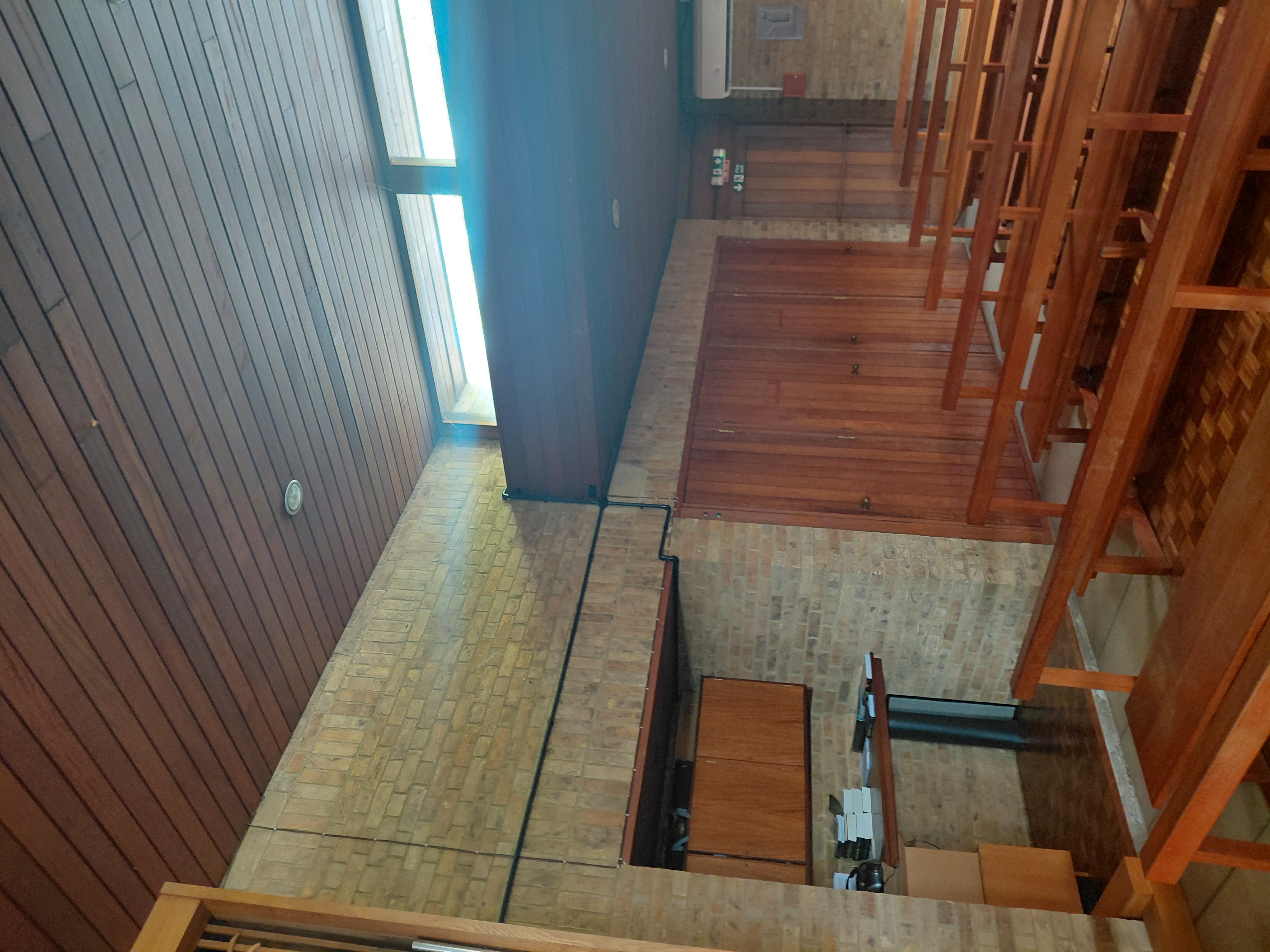
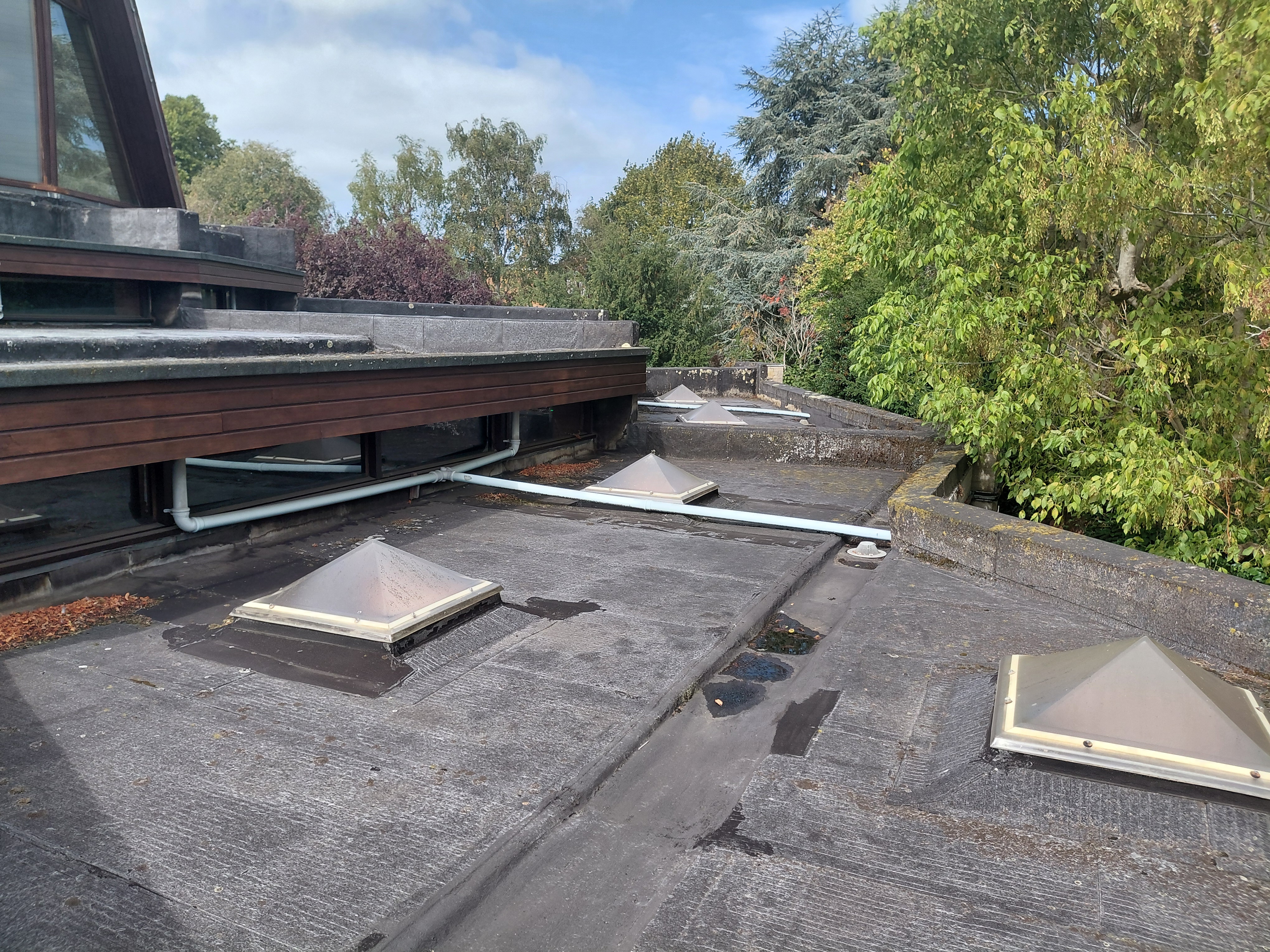
The church comprises the original 1846 building alongside a later extension constructed around 1970. The extension featured a flat roof incorporating an original asphalt waterproofing system which had subsequently been overlaid with bituminous sheet waterproofing, together with polycarbonate rooflights.
Given the age of the roof and the presence of previous repair works, the client required a clear understanding of its condition, the causes of any defects and whether repair or replacement represented the most cost-effective long-term solution.
Our Approach
Rather than relying solely on a visual inspection, SHW adopted a more detailed investigative approach to fully understand the roof's condition. As part of the commission, Craig White arranged for specialist support from Daniel Sandell, Regional Technical Manager at Garland UK, who undertook core sampling of the roof construction. This enabled the roof build-up and underlying condition to be assessed beyond the visible surface.
This collaborative investigation provided valuable evidence to support our findings and ensured that recommendations were based on both visual observations and technical analysis of the existing roof system.
Key Findings
The survey identified that the waterproofing system had reached the end of its serviceable life. A number of significant defects were recorded across the roof, including:
· Splitting and deterioration of the bituminous membrane
· Exposed reinforcement within the waterproofing system
· Extensive blistering
· Trapped moisture and air beneath the membrane
· Failing joints and laps
· Deteriorated liquid-applied repair works
· Historic patch repairs
· Deterioration around roof upstands
· Debris and vegetation affecting drainage performance
· Evidence of previous drainage-related issues within roof channels
Collectively, these defects indicated that isolated repairs would provide only limited benefit and that more comprehensive intervention should be considered.
Delivering a Clear Strategy
SHW's technical report documented the roof's condition, analysed the likely causes of deterioration and assessed the significance of the defects identified. Based on the findings from both the site inspection and core sampling investigation, we advised that the roof should be considered for renewal as part of the client's long-term maintenance strategy.
By providing robust technical evidence and practical recommendations, we enabled the client to make an informed decision regarding future investment in the building, helping to protect an important community asset for years to come.