

17 June 2026
SHW - Planned Preventative Maintenance in Epsom Residential Block
Building Consultancy, Planning
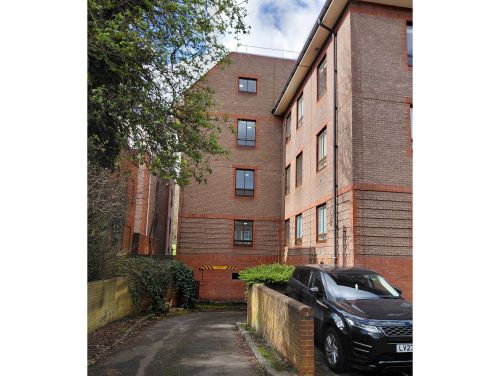
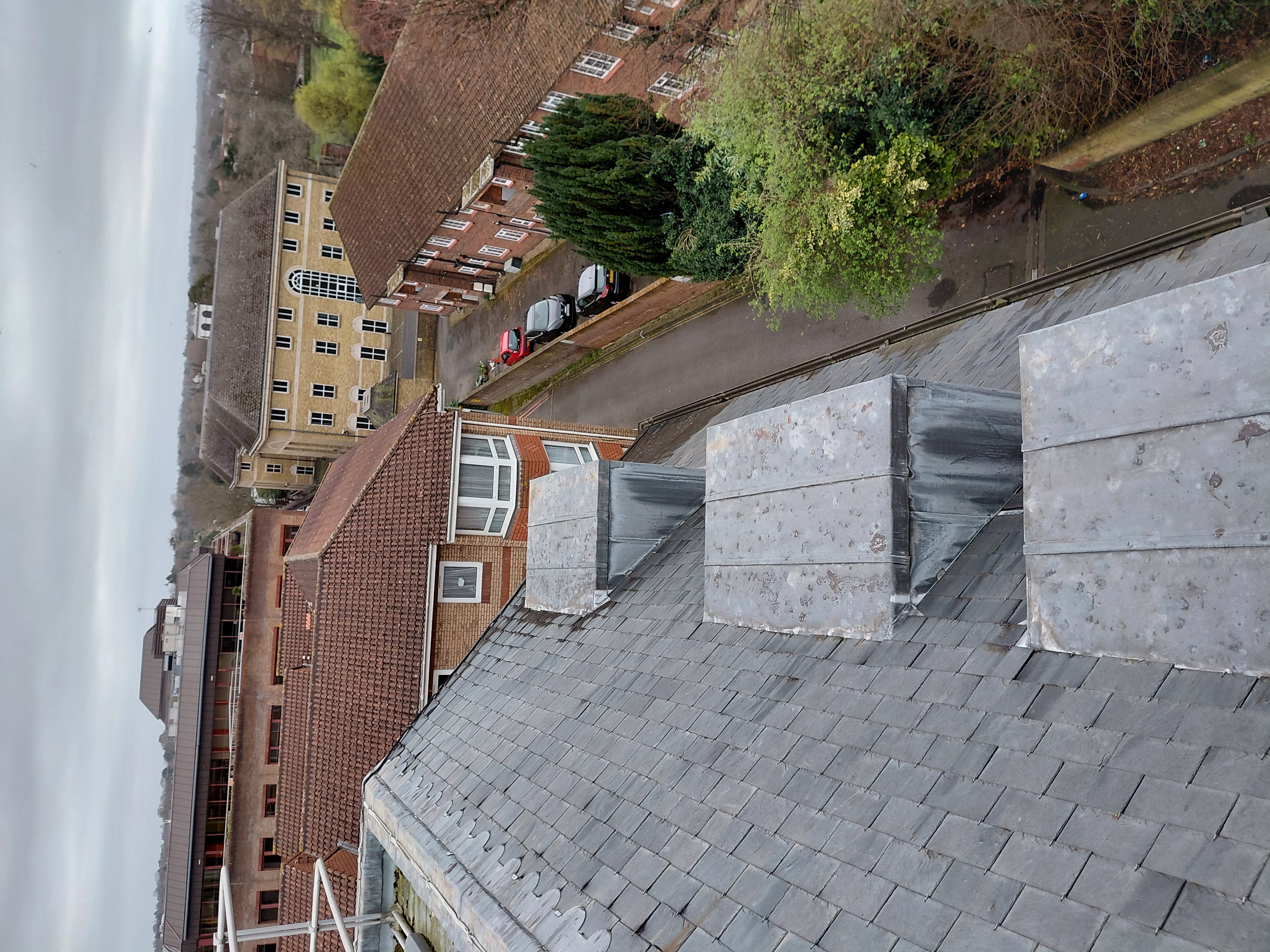
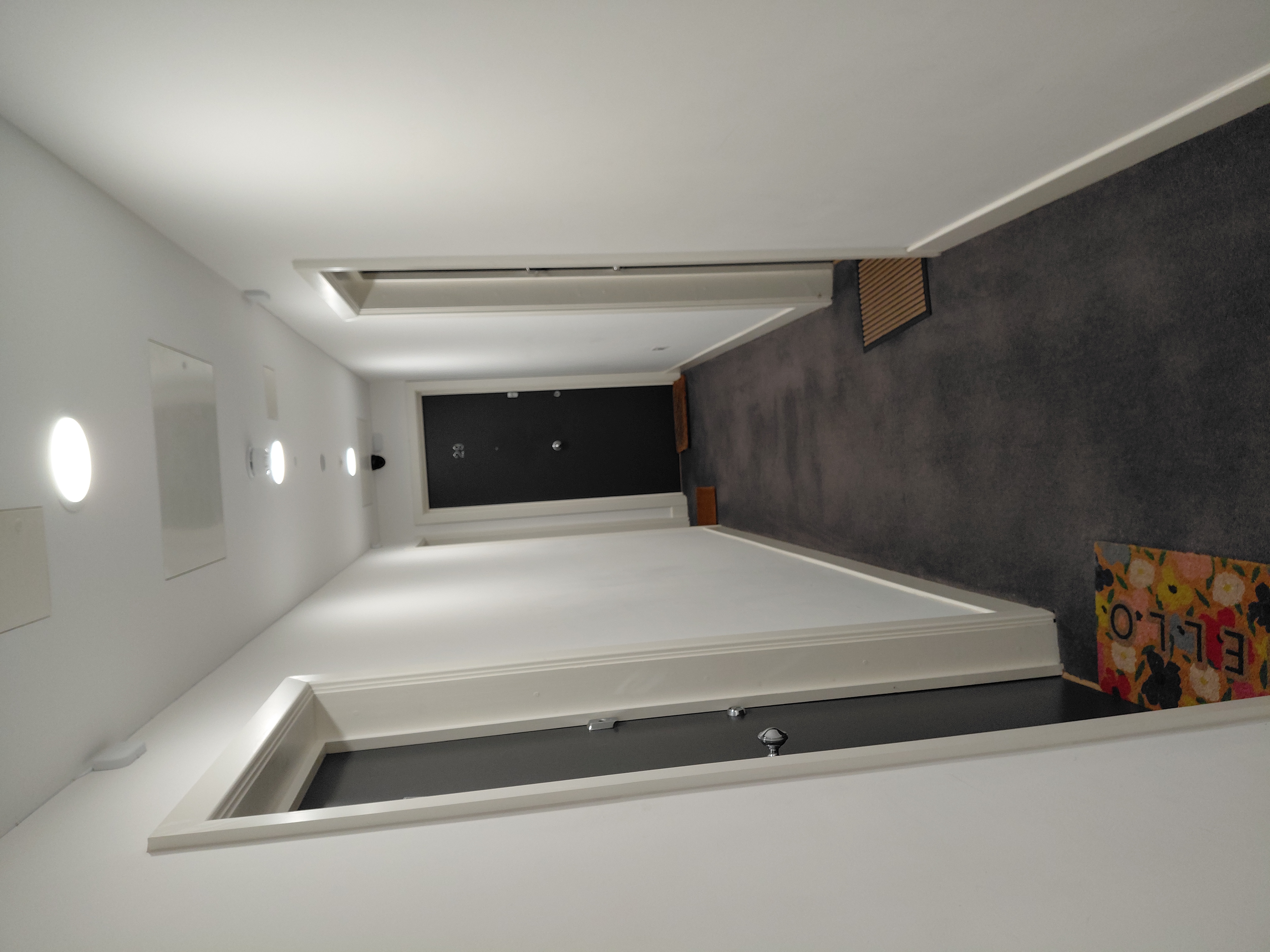
This case study relates to a three-storey residential block in Epsom comprising 32 leasehold flats. The building was originally constructed for office use in the 1980s and converted into residential accommodation in 2015. The managing agent, acting on behalf of the freeholder, commissioned a planned maintenance report to support long-term building management which our Building Consultancy Department handled.
Problem
The property lacked a structured maintenance plan, resulting in:
-
Reliance on reactive maintenance
-
Difficulty forecasting costs
-
Risk of deterioration of building components
This created uncertainty for both the managing agent and leaseholders regarding future expenditure and asset condition.
Objectives
The key aims were to:
-
Develop a 10-year planned maintenance programme
-
Improve budget forecasting and cost control
-
Reduce unplanned reactive repairs
-
Maintain the building in a safe and serviceable condition
Methodology
The assessment was carried out in line with the RICS Planned Preventative Maintenance (PPM) Professional Standard, using:
-
Condition-based assessments of building elements
-
Lifecycle analysis to estimate remaining lifespan
-
Risk prioritisation to identify urgent works
-
Cost planning for realistic budgeting
Maintenance Strategy
A structured 10-year maintenance plan was produced, including:
-
Short-term (0–2 years): urgent repairs and health & safety works
-
Medium-term (3–5 years): cyclical maintenance such as redecoration and servicing systems
-
Long-term (6–10 years): major replacements and refurbishment
Financial Planning
The report outlined:
-
Estimated costs for all works
-
Annual expenditure forecasts
-
Guidance for reserve funds and service charges
This enabled more accurate financial planning and reduced the likelihood of unexpected expenses.
Outcomes
The implementation of the planned preventative maintenance strategy resulted in:
-
Improved budget certainty
-
Reduced reactive maintenance costs
-
Better prioritisation of works
-
Enhanced building condition and longevity
Conclusion
The case highlights the importance of a proactive, condition-based maintenance approach. By following RICS standards and implementing a structured 10-year plan, the managing agent improved both financial management and long-term asset performance.