

1 September 2026
Out‑of‑Town Retail Continues to Outperform as Demand Surges and Supply Tightens
Retail & Leisure
The out‑of‑town retail sector has continued to outperform the wider retail market in the first half of 2026, demonstrating remarkable resilience despite ongoing economic headwinds, according to SHW’s Q3 2026 Out-of-Town Retail Focus, with consumer preference for convenience‑led formats, particularly for food and essential retail, remaining a key driver of this strong performance.
Demand across the sector is robust and wide‑ranging. Discount retailers including B&M, Home Bargains and The Range continue to seek new representation, while food operators at both ends of the market remain highly active. Lidl, Aldi, The Food Warehouse and FarmFoods are pursuing further opportunities, and M&S Simply Food is accelerating its expansion programme, highlighted by the opening of its largest regional store in the former Homebase unit in Godalming.
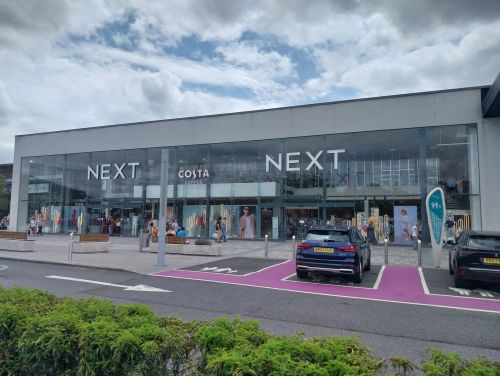
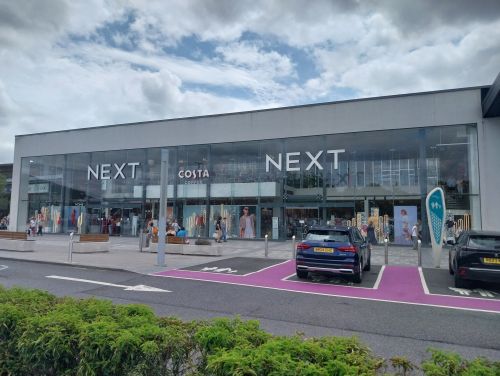
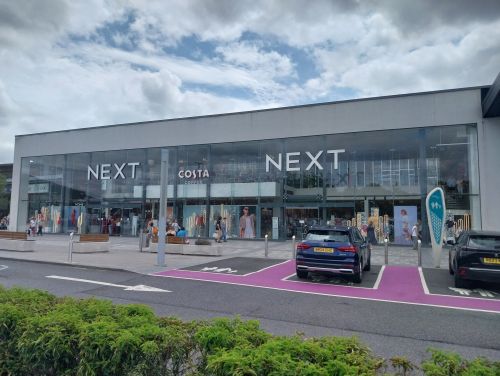
Traditional out‑of‑town categories such as furniture, kitchens and DIY continue to generate steady demand, but the most notable shift has come from high street operators. Next, Superdrug and Mountain Warehouse have all acquired new out‑of‑town stores, reflecting the growing appeal of retail park formats. Leisure operators, particularly gyms and padel clubs, are also competing for space, adding further pressure to already constrained supply.
The food and beverage market remains one of the most competitive segments, with new entrants including Pret A Manger, Popeyes and Chick‑fil‑A actively targeting prime locations. Although the major coffee operators have slowed their roll‑out slightly, overall demand in the sector remains strong.
Availability, however, is increasingly limited. Vacancy rates remain below five per cent, but this headline figure masks the reality that a proportion of the remaining space is obsolete and unlikely to return to active use. Much of the recent transactional activity has been driven by units released following the failures of Carpetright and Homebase, most of which were acquired quickly, leaving very little stock still on the market. This constrained supply, combined with sustained demand, is placing upward pressure on rents, although evidence of rental growth remains inconsistent outside the food and beverage sector.
Across the South East, the shortage of available units is particularly acute. Crawley and Brighton have seen no recent prime availability, while Croydon has experienced movement around IKEA, with Decathlon relocating from its standalone Purley Way store into a concession within the IKEA building. Eastbourne has also seen activity, largely driven by food and beverage operators, as Sovereign Retail Park continues its repositioning and new units are proposed for Starbucks and Greggs at Lottbridge Drive.
Richard Pyne, Partner at SHW, said: “Out‑of‑town retail continues to demonstrate its strength and resilience, driven by both retailer confidence and sustained consumer demand. The challenge now is supply. In many locations there is simply no available stock, and where units do come forward, they are being taken quickly. Despite the wider economic backdrop, this part of the market remains one of the most dynamic and competitive, and we expect that momentum to continue.”
Despite the broader economic climate, sentiment in the out‑of‑town sector remains positive. Retailers continue to trade well, customers continue to favour the format, and demand continues to outstrip supply, reinforcing the sector’s position as one of the most stable and strategically important areas of UK retail.